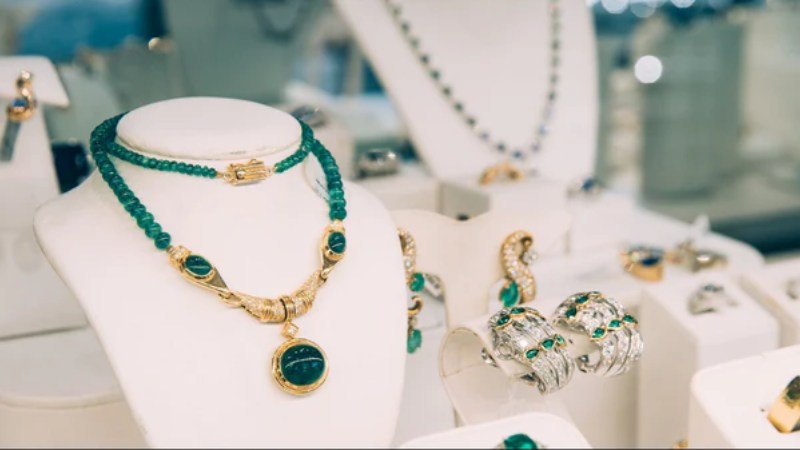
Scottsdale, Arizona has quietly built a reputation as one of the most active markets for fine jewelry and luxury timepieces in the American Southwest. What started as a regional retail scene has grown into something far more sophisticated, attracting collectors, investors, and dealers from across the country.
The City’s Luxury Foundation
Scottsdale’s rise as a jewelry investment hub didn’t happen overnight. The city spent decades cultivating an affluent residential base, a thriving tourism economy, and a retail corridor capable of supporting high-end commerce. Old Town Scottsdale became a natural gathering point for galleries, boutiques, and dealers trading in valuable goods.
Warm weather, a steady stream of seasonal residents, and a local culture that values visible prosperity created the right conditions for luxury markets to take hold. Buyers who winter in Scottsdale often arrive with discretionary income and a genuine interest in acquiring pieces that hold or grow in value. That consistent demand gave dealers a reason to establish serious operations. Not pop-up stalls, but real businesses with real inventory.
Why Jewelry Attracts Investors in This Market
Fine jewelry occupies an interesting position in the investment landscape. Unlike stocks or real estate, a well-chosen piece is portable, wearable, and tangible. It carries aesthetic value alongside financial value, which makes it appealing to a different kind of buyer than traditional asset classes attract.
Several factors have made jewelry investment particularly compelling in Scottsdale:
- Established resale infrastructure: The city has a dense network of estate dealers, auction houses, and consignment shops that give investors clear exit options.
- Proximity to wealth: A large population of retirees and second-home owners means there is consistent supply from estate sales alongside consistent demand from new buyers.
- Tourism-driven foot traffic: Visitors from outside Arizona regularly make significant purchases, which keeps the market liquid and active year-round.
- Collector culture: Scottsdale has a long history of art collecting, and that sensibility extends naturally into fine jewelry and watches.
- Tax environment: Arizona’s overall tax climate is favorable compared to many coastal states, which influences where affluent individuals choose to buy and hold assets.
These factors don’t exist in isolation. They reinforce each other, creating a market that sustains itself in ways many mid-sized cities never achieve.
Estate Sales and Private Collections
One defining characteristic of Scottsdale’s jewelry market is the volume and quality of estate material that flows through it regularly. The city’s aging affluent population means significant collections come to market with notable frequency. These are not garage sale finds. Many pieces originated with buyers who acquired them from major houses in New York, Los Angeles, or internationally, and they arrive in Scottsdale with full provenance and documentation.
What Estate Pieces Offer Investors
Estate jewelry carries a distinct advantage for value-focused buyers. The original retail markup has already been absorbed by the first owner, which means someone entering through the estate market often acquires a piece at a price closer to its intrinsic worth. Diamonds, colored stones, and precious metals retain their material value regardless of age, and well-made pieces from recognized designers or historical periods carry additional premiums.
Scottsdale’s dealer community has developed real expertise evaluating this material. Working with trusted jewelers in Scottsdale gives buyers access to knowledgeable evaluations and market-based pricing that reflects actual demand and value.
The Auction Circuit
Several auction houses operate in or near Scottsdale, and the city draws consignors from across the region. Auction events tied to estate liquidations or themed collector sales attract serious bidders who understand what they’re looking at. The competitive bidding environment provides price discovery that private sales sometimes lack, and the public record of results gives investors useful data for benchmarking their own holdings.
Watches as a Parallel Investment Category
Fine watches have grown alongside jewelry as an investment category in Scottsdale. The two markets share infrastructure, clientele, and dealers, which makes the city an efficient place to engage with both. Collectors focused on Swiss mechanical watches, vintage timepieces, or limited-production models have found Scottsdale to be a genuinely active market rather than a secondary outpost.
The watch investment market runs on similar principles to jewelry. Condition, provenance, and desirability drive value. Pieces from historically significant brands or limited production runs command premiums that hold up well over time. Scottsdale’s dealer network includes specialists who focus on horology specifically, and the overlap with the broader luxury goods community means buyers can often find expertise and inventory in a single visit.
Navigating the Market as a Buyer or Seller
Entering Scottsdale’s jewelry investment market requires some preparation, but it’s more accessible than many first-time buyers expect. The key is understanding the difference between retail jewelry and investment-grade material, and knowing which dealers operate in each segment.
Some practical considerations for anyone approaching this market:
- Work with certified appraisers: Independent appraisals from credentialed professionals protect both buyers and sellers from mispricing.
- Understand grading standards: For diamonds and colored stones, standardized grading reports from recognized laboratories provide an objective baseline for value discussions.
- Research the dealer’s specialty: A dealer who focuses on signed vintage pieces operates very differently from one who moves estate gold by weight. Matching the right dealer to the right purchase matters.
- Track comparable sales: Auction results and dealer asking prices for similar pieces give a realistic picture of where the market sits at any given time.
- Think about exit before entry: Knowing how and where a piece can be resold before buying it is a basic discipline that experienced collectors apply consistently.
The Scottsdale market rewards buyers who do their homework. Dealers in this community are generally willing to discuss provenance, history, and pricing in detail, which makes due diligence easier than in markets where information is more guarded.
Conclusion
Scottsdale’s position as a jewelry and watch investment destination isn’t likely to reverse. The demographic and economic factors that built this market are durable, and the infrastructure of dealers, appraisers, and auction houses keeps deepening. For collectors and investors who want access to serious material outside the traditional coastal markets, Scottsdale offers a compelling alternative. The city has earned its place on the map, and the buyers and sellers who operate here know it.