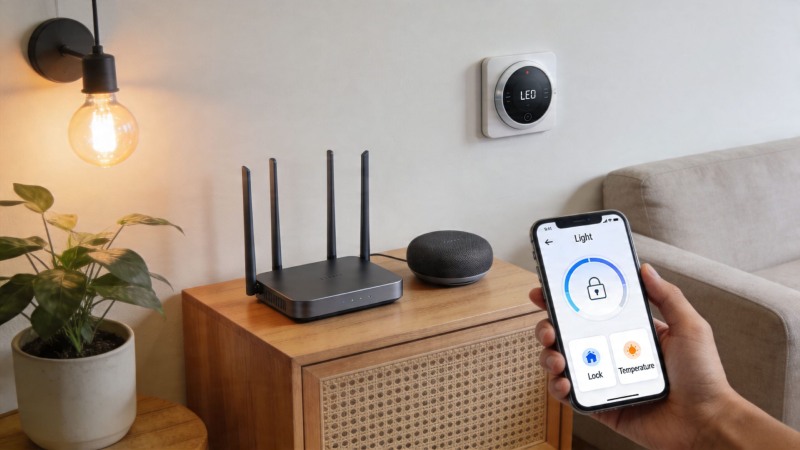
Owning a vacation property can feel like having the best of both worlds. There is a place to escape to whenever schedules allow, and when the property is not being used, it may also serve as a rental, family retreat, or long-term investment.
The challenge is that vacation homes spend a lot of time unattended.
A cabin in the woods, lake house several hours away, or second home in another state can develop problems quietly. A small leak may continue for days. A door may be left unlocked after a guest checks out. Heating equipment can fail during a cold spell. Humidity can rise without anyone noticing, and insects or rodents may settle into spaces that remain undisturbed for weeks.
Smart home technology gives property owners a practical way to keep an eye on these risks without being physically present. The most useful setup is not necessarily the one with the most devices. It is the one that focuses on the problems most likely to become expensive when nobody is around.
Start With Smart Locks and Controlled Access
For many vacation property owners, smart locks are one of the easiest upgrades to justify.
Traditional keys create logistical problems, especially when a property is shared with guests, cleaners, maintenance workers, relatives, or short-term renters. Keys can be lost, duplicated, forgotten, or left in places where unauthorized people may eventually find them.
A connected lock allows an owner to create individual access codes instead.
Temporary codes can be assigned to guests and scheduled to work only during their reservation dates. Cleaners can have their own code, while maintenance professionals can receive access for a specific appointment. Owners can often review access histories as well, making it easier to understand when someone entered the property.
The most reliable setups also account for connectivity problems. A smart lock should ideally continue working even when the internet is temporarily unavailable. Keeping a secure backup entry method is also sensible, particularly for remote properties where technical support may not be nearby.
Use Cameras Strategically, Not Excessively
Security cameras are useful for vacation homes, but placement matters.
Outdoor cameras near entrances, driveways, garages, sheds, or detached structures can help owners monitor activity while keeping guest privacy intact. Doorbell cameras are particularly practical because they combine visitor monitoring with package awareness and entry-point visibility.
For rental properties, cameras should always be positioned and disclosed according to applicable privacy rules and platform policies.
The purpose is not constant surveillance. It is situational awareness.
A camera can help answer simple questions from a distance. Did the delivery arrive? Is a contractor actually on site? Was the storm strong enough to damage trees near the driveway? Has someone attempted to enter the property?
When cameras are combined with motion alerts, owners can receive useful information without spending time watching live video.
Install Leak Sensors Before You Need Them
Water damage is one of the clearest examples of why remote monitoring matters.
In a full-time home, a leaking water heater or overflowing appliance is usually discovered quickly. In a vacation property, the same problem may continue for hours or days.
Small battery-powered leak sensors can be placed near common trouble spots, including beneath sinks, near washing machines, next to water heaters, around toilets, under dishwashers, and close to plumbing equipment.
Some systems can connect to an automatic shutoff valve. If water begins flowing unusually or a serious leak is detected, the system can close the main supply.
This type of automation is particularly valuable for vacation homes because the damage caused by a plumbing problem often depends on how long it goes unnoticed.
Owners of seasonal properties should also consider monitoring pipes during freezing weather. A combination of temperature sensors, smart thermostats, and leak detection can provide an earlier warning before a frozen pipe becomes a major repair.
Let a Smart Thermostat Protect the Property
A smart thermostat is useful even when nobody is staying at the home.
Rather than keeping the property at normal living temperatures all year, owners can adjust heating and cooling remotely while still protecting the building.
Before arriving for a weekend stay, the temperature can be changed from a phone so the property is comfortable by the time everyone gets there. After leaving, the system can return to an energy-saving setting automatically.
Remote temperature monitoring can also reveal mechanical problems.
If a cabin unexpectedly becomes much colder than its thermostat setting, the furnace may have stopped working. If indoor temperatures continue rising despite the air conditioning being active, the cooling system may require attention.
These warnings can turn a potentially serious problem into a routine maintenance call.
Automate Lighting Without Making the Property Complicated
Smart lighting can improve security while also making arrival easier.
Exterior lights can be scheduled around sunset. Interior lamps can turn on periodically when the property is vacant, creating a more occupied appearance. Pathway or porch lights can activate automatically when guests arrive after dark.
There is little reason, however, to automate every single light switch.
Vacation properties benefit from simple systems that guests can understand immediately. A visitor should not need an instruction manual just to turn on the kitchen lights.
The best approach often combines familiar physical switches with optional app-based controls and schedules.
Monitor More Than Security
When property owners think about remote monitoring, burglary is often the first concern. In reality, environmental problems can create just as much damage.
Moisture, excessive heat, poor ventilation, insects, rodents, and structural deterioration frequently interact.
For example, a slow plumbing leak can create damp conditions that attract certain pests. Damaged exterior materials may create openings that allow rodents or insects inside. High humidity can affect wood, insulation, stored belongings, and indoor air conditions. A pest problem may also reveal gaps, moisture sources, or maintenance issues that were previously unnoticed.
That is why environmental monitoring deserves a place alongside cameras and locks.
Humidity sensors can identify unusually damp rooms. Temperature monitors can reveal heating or cooling failures. Some owners also use specialized sensors in crawl spaces, basements, attics, or storage areas where problems may develop long before they are visible in living spaces.
Technology can provide warning signs, but it does not replace physical inspection or professional treatment when activity is discovered. Owners dealing with recurring infestations, especially in warm climates where pest activity can remain high for much of the year, may benefit from working with established Phoenix pest control services as part of a broader property maintenance plan.
For vacation properties, this kind of preventive thinking is especially important because minor problems can grow substantially between visits.
Add Smoke and Carbon Monoxide Alerts You Can Receive Remotely
Traditional smoke alarms work well when someone is home to hear them. For a property that may sit vacant, connected alarms offer an additional layer of protection.
Smart smoke and carbon monoxide detectors can send notifications to an owner’s phone when an alarm activates.
Some systems can also identify which room triggered the alert. That information may help owners respond more quickly, whether that means contacting a nearby caretaker, property manager, neighbor, or emergency service.
As with any safety equipment, connected features should supplement properly installed and maintained detectors rather than replace essential fire-safety practices.
Consider Power and Internet Outage Monitoring
Many smart home devices depend on electricity and connectivity, which creates an obvious weakness: what happens when either one fails?
For remote properties, owners should consider systems that provide outage alerts.
A power-monitoring device may notify the owner when electricity goes offline and again when it returns. Internet-connected equipment can sometimes send similar alerts when communication is lost.
Backup power can also be useful for essential devices such as networking equipment, security hubs, or automated water shutoff systems.
Properties in areas that regularly experience storms, snow, extreme heat, or utility interruptions may justify more substantial backup solutions.
The important point is redundancy. A smart property should not become completely invisible the moment one system loses power.
Build the System Around Alerts That Actually Matter
One of the downsides of connected homes is notification overload.
If every motion sensor, camera, lock, thermostat, and appliance sends frequent alerts, property owners eventually begin ignoring them.
Useful smart home setups distinguish between routine activity and conditions that require action.
A cleaner entering with an approved code might simply appear in the activity history. A door remaining open for an hour after checkout could trigger an alert.
A small temperature fluctuation may not matter. Indoor temperatures dropping toward freezing might.
The goal is to reserve urgent notifications for situations where the owner may genuinely need to intervene.
Think About Guests When Choosing Technology
A vacation home should still feel relaxing.
Guests should not be forced to download several apps, create accounts, connect to unfamiliar systems, or troubleshoot complicated devices.
The owner may appreciate advanced automation, but guest-facing controls should remain straightforward.
Wi-Fi instructions should be easy to find. Thermostats should still work from the wall. Lights should have normal switches. Smart locks should have clear keypads and simple codes.
If renters use the property, a short digital or printed guide can explain anything unusual without overwhelming them with technical detail.
Good smart home technology largely disappears into the background.
Create a Network of Local Human Support
Remote monitoring is most useful when someone can act on the information it provides.
A camera can show that a branch fell against the roof, but it cannot move the branch. A leak sensor can detect water, but someone may still need to inspect the plumbing. A thermostat can reveal that the heat has failed, but a technician must eventually repair the equipment.
Vacation property owners should maintain contact information for dependable local professionals, which may include a property manager, cleaner, plumber, electrician, HVAC technician, pest control provider, handyman, landscaper, or trusted neighbor.
The technology identifies problems sooner. The local network solves them.
Keep the Smart Home Setup Simple
It is easy to turn a vacation property into a technology experiment.
There are connected appliances, blinds, speakers, irrigation systems, garage doors, lighting systems, air-quality monitors, weather stations, and countless other devices available.
Some may be useful. Others may add complexity without solving a meaningful problem.
A sensible vacation-home setup usually starts with the basics: secure access, exterior awareness, water detection, temperature management, fire and carbon monoxide alerts, and environmental monitoring.
Additional devices can be introduced when there is a clear reason for them.
The best system is not the property with the longest list of connected gadgets. It is the one that gives the owner useful information at the right moment and helps prevent small problems from becoming expensive ones.
For a home that may sit empty for days or weeks at a time, that visibility can provide far more value than simply being able to turn the lights on from a phone.