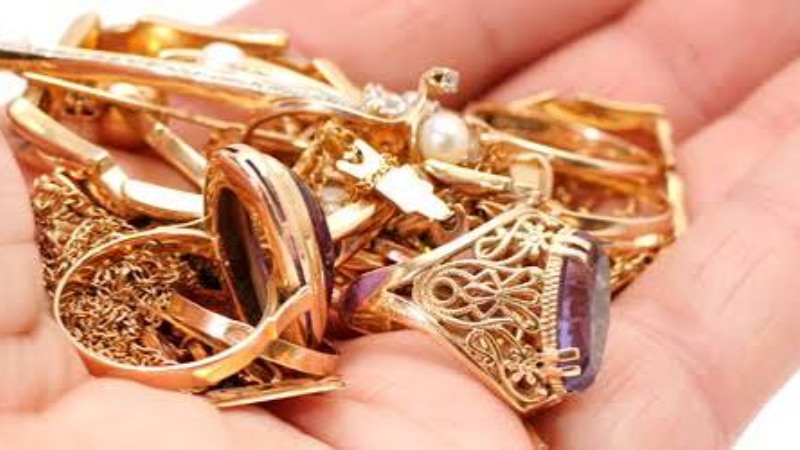
Walk into any reputable estate buyer in the Phoenix metro on a weekday afternoon and you’ll find a steady stream of sellers. Not just retirees clearing out a jewelry box, but younger professionals, recent transplants, and people who inherited pieces they never planned to wear. Something real is happening in Arizona’s jewelry resale market, and it comes down to a handful of converging forces that make right now a genuinely unusual moment to sell.
Gold Prices Have Rewritten the Math
The single biggest driver of Arizona’s jewelry selling surge is the price of gold itself. Gold set 53 new all-time highs during 2025, yielding an unprecedented total market value of $555 billion, up 45% year-over-year. For anyone holding a gold necklace, a set of earrings, or a vintage bracelet from a grandparent’s estate, that kind of price movement translates directly into cash on the table.
The math isn’t complicated. A piece containing two troy ounces of 18-karat gold that was worth a modest sum a few years ago is now worth dramatically more in raw metal value alone. Sellers who held onto pieces out of habit or mild sentiment are doing the arithmetic and deciding the moment is right.
What This Means for Different Piece Types
Not all jewelry benefits equally from gold’s rise. Plain chains, bangles, and older wedding bands with high metal content see the most direct uplift, since their value tracks closely with spot price. Designer pieces from names like Cartier, Van Cleef, or Tiffany carry an additional collector premium on top of metal value, meaning those sellers often do even better. Diamonds are a separate story, governed more by the secondary diamond market than by gold prices. But the overall enthusiasm in the resale space has lifted interest in diamond pieces as well.
The Seller’s Window
Experienced estate buyers note that sellers tend to move in waves when gold climbs. A price spike grabs attention, and people who have been sitting on inherited or unused pieces finally act. The current environment is notable because gold has stayed elevated rather than spiking briefly and retreating, giving sellers time to research, collect multiple quotes, and make deliberate decisions rather than rushed ones.
Arizona’s Demographics Create a Natural Supply
Arizona is not a random state for this trend to emerge. The state’s demographic profile generates a steady and growing supply of jewelry entering the resale market.
Arizona grew from 7.15 million residents at the last census to 7.58 million in 2025, reflecting an annual growth rate of 1.3% that outpaces the national average. A meaningful portion of that growth comes from retirees relocating from California, the Midwest, and the Northeast, often bringing decades of accumulated fine jewelry with them. When a household downsizes from a large family home to a Scottsdale retirement community, jewelry is one of the first categories to get reconsidered.
Beyond retirees, Arizona draws a consistent wave of wealth migration. High-net-worth individuals arrive attracted by privacy, tax advantages, and premium amenities, particularly in Scottsdale and Paradise Valley, and that influx sustains a luxury market with real depth. That same population cycle works in both directions. People arrive with jewelry, and people in transition, whether through divorce, estate settlement, or lifestyle change, decide to liquidate.
The Resale Market Has Matured
A decade ago, selling jewelry outside of a pawn shop meant knowing the right people or accepting a lowball offer. That landscape has shifted considerably. Arizona sellers now have real options.
Professional Estate Buyers
The Phoenix and Scottsdale metro has developed a genuine concentration of estate jewelry specialists operating with GIA-certified appraisers, transparent pricing tied to current spot rates, and buyer networks deep enough to pay above what a middleman operation can offer. Sellers who collect multiple quotes from established buyers consistently report better outcomes than those who walk into the first storefront they find.
Online Platforms and Authentication
National resale platforms have matured to the point where authentication services and buyer guarantees are standard. Sellers comfortable with shipping can reach a national buyer pool for designer pieces, which matters for branded items where regional demand might be thin. The combination of local expert buyers and national online reach gives Arizona sellers genuine leverage.
Estate Sales and Auctions
For larger collections or particularly rare pieces, estate sales and auction houses remain a viable channel. Scottsdale’s auction scene has a long history with fine jewelry, and consignment through a reputable house can produce premiums that outpace a direct buyer offer for the right piece.
What Sellers Should Know Before They Go
Walking in without preparation leaves money on the table. A few straightforward steps make the process more productive.
- Know what you have. Identifying karat stamps on gold, checking for hallmarks on silver, and noting any maker’s marks on designer pieces gives you a baseline before any conversation with a buyer.
- Understand the difference between melt value and collector value. A plain 14-karat gold band is worth its metal content. A signed Art Deco platinum and diamond brooch is worth considerably more to the right buyer.
- Get at least three quotes. Offer prices vary between buyers based on their current inventory needs, their sales channels, and their overhead. Comparing quotes takes an hour and can meaningfully change the outcome.
- Bring documentation if you have it. Original receipts, appraisals, GIA certificates for diamonds, and original boxes all support higher offers, particularly for designer and branded pieces.
- Separate sentiment from strategy. Pieces with genuine family history deserve reflection before selling. But jewelry kept in a drawer for fifteen years because no one wears it is a different calculation entirely.
The Broader Secondhand Luxury Shift
Arizona’s jewelry resale activity is part of a larger national trend that shows no signs of reversing. The U.S. secondhand luxury goods market, which includes jewelry, watches, and designer accessories, stood at $8.7 billion in 2025 and is projected to reach $16.2 billion by 2034, with growing environmental awareness pushing consumers toward resale and circular economy models. Jewelry sits at the center of that shift because it holds intrinsic material value in a way that other luxury categories do not.
Younger buyers in particular have embraced pre-owned fine jewelry as both a sustainable choice and a way to access quality pieces below retail prices. That demand creates a healthy secondary market, which in turn supports what sellers receive. The ecosystem works because both sides of the transaction have genuine motivation.
Conclusion
The conditions driving Arizona’s jewelry resale activity, including elevated gold prices, a growing and demographically active population, and a maturing network of professional buyers, are not a temporary blip. Sellers who approach the market with preparation, patience, and a willingness to compare offers are finding that pieces they considered sentimental clutter are worth real money right now. The question is less whether to sell and more how to do it well.